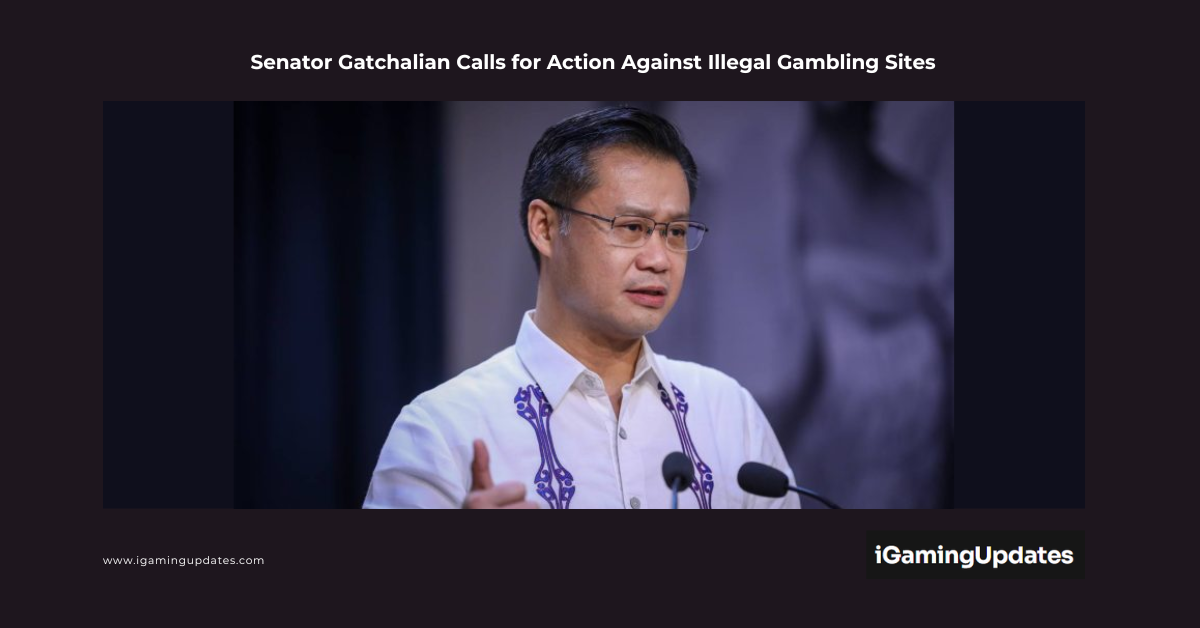
Philippine Senator Sherwin Gatchalian has intensified calls for action against illegal gambling sites operating within the country. This initiative comes in response to mounting concerns over the negative impacts of unregulated online gambling on both consumers and the legitimate gaming industry.
Gatchalian highlighted that illegal gambling operations have presented significant challenges, particularly to the regulated Philippine Online Gaming Operations (POGOs). According to the Philippine Amusement and Gaming Corporation (PAGCOR), the country experienced a surge in unlicensed online gambling firms, leading to estimated revenue losses in excess of PHP 3 billion in the past year (AP News, 2023). These illegal entities not only evade taxation but also pose risks such as money laundering and cybercrime.
The senator’s statement reflects broader regulatory concerns. Data from a recent report by the Center for International Governance Innovation notes that illegal online gambling in the Philippines has increased by 40% since 2020. This outgrowth has prompted calls for more stringent oversight and law enforcement actions against operators that violate established regulations.
Gatchalian has proposed specific legislative measures aimed at improving the enforcement of laws against illegal gambling. “It is imperative for our laws to evolve to effectively tackle these illicit operations,” he stated. The new legislation would enhance penalties for those caught operating illegal platforms and accelerate the process for regulators to shut down noncompliant websites.
This push for legislative change comes at a crucial time for the Philippine government. According to the latest reports from the Philippines Statistics Authority, revenues from POGOs accounted for approximately PHP 22 billion in 2022. However, the illegal gambling market is rapidly eating into these figures, undermining the integrity of the licensed gaming industry.
The prevalence of illegal gambling sites affects not only government revenue but also licensed operators who are bound by strict regulations. Data from the gaming consultancy firm, H2 Gambling Capital, indicates that operators in the legal sector may see a revenue dip of up to 15% if illegal platforms continue to grow unchecked.
Moreover, players are often unaware of the risks associated with illegal sites, including poor customer service and the potential loss of funds without recourse. Gatchalian emphasized that consumer protection must be a priority, urging legislators to act swiftly to disrupt the operations of these rogue operators.
The crackdown on illegal gambling is vital for the growth and stability of the legal iGaming industry in the Philippines. As online gambling becomes increasingly popular, regulators must be proactive in ensuring a safe gaming environment. With Gatchalian’s proposed reforms, the hope is that a more structured regulatory framework will emerge, enhancing the country’s reputation as a viable online gaming market.
Looking ahead, industry experts suggest that a comprehensive response involving law enforcement, regulatory agencies, and licensed operators will be necessary. This coalition can effectively combat illegal activities while offering a secure platform for consumers.
In conclusion, the ongoing discussions around illegal gambling sites underscore the urgency of regulatory reforms in the Philippine iGaming landscape. Enhanced legislative measures could significantly protect consumers and restore stability within the industry. As the government moves forward, the implications for both consumers and operators will be critical to watch.