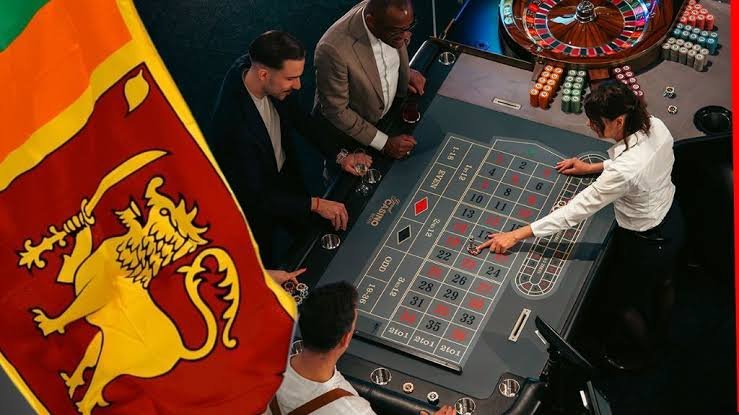
Sri Lanka has inched closer toward establishing a formal Gambling Regulatory Authority after the Parliamentary Committee on Public Finance (CoPF) gave its approval to the relevant bill during a meeting chaired by acting chairperson Rauff Hakeem. This marks a pivotal step in consolidating oversight of the nation’s gambling industry.
The proposed Gambling Regulatory Authority (GRA) is intended as an independent body to standardise regulation across all forms of gambling, from land-based casinos and online platforms to ship‑based activity. Its objectives span licensing enforcement, tax collection, ensuring transparent governance, and curbing illegal gaming operations. The authority will replace outdated legislation such as the Horse Racing Betting Ordinance, the Gambling Ordinance, and the Casino Ordinance with a single unified framework.
Governance Structure
The governance of the GRA is to reflect a mix of public sector leadership and appointed expertise. The board will include the Secretary to the Ministry of Finance, the Commissioner General of Inland Revenue, the Head of the Financial Intelligence Unit, and the Inspector General of Police or their designees. Additionally, three members with relevant qualifications will be appointed by the finance minister, each serving three‑year terms.
Economic Drivers and Opportunity
This regulatory push aligns with broader economic ambitions. It follows the August 2 opening of Melco Resorts and John Keells’ City of Dreams Sri Lanka, a landmark integrated resort seen as a step toward transforming the country into a regional gaming hub. The GRA is expected to boost tourism, attract foreign investment, improve public confidence, and enhance revenue – necessary moves as Sri Lanka seeks to recover from its 2022 financial crisis.
Concerns Over Independence and Scope
Not all responses were favourable. The Colombo-based Advocata Institute criticised the bill’s provisions, expressing concern that ministerial control, especially over appointments and regulatory directives could compromise the GRA’s independence and credibility. Moreover, gaps remain in the bill’s scope: it currently excludes state-run lottery boards, omits oversight for junket operators, lacks representation from tourism authorities, and relies on operator self-reporting for revenue tracking. Penalties for non‑compliance have also been deemed too lenient compared to international norms.
Next Steps
With CoPF’s clearance secured, the bill is set to move to full parliamentary debate. This next stage may offer opportunities to reinforce the GRA’s autonomy, expand its oversight scope, and tighten enforcement mechanisms, ensuring the regulator not only exists but also earns public trust and delivers effective governance.