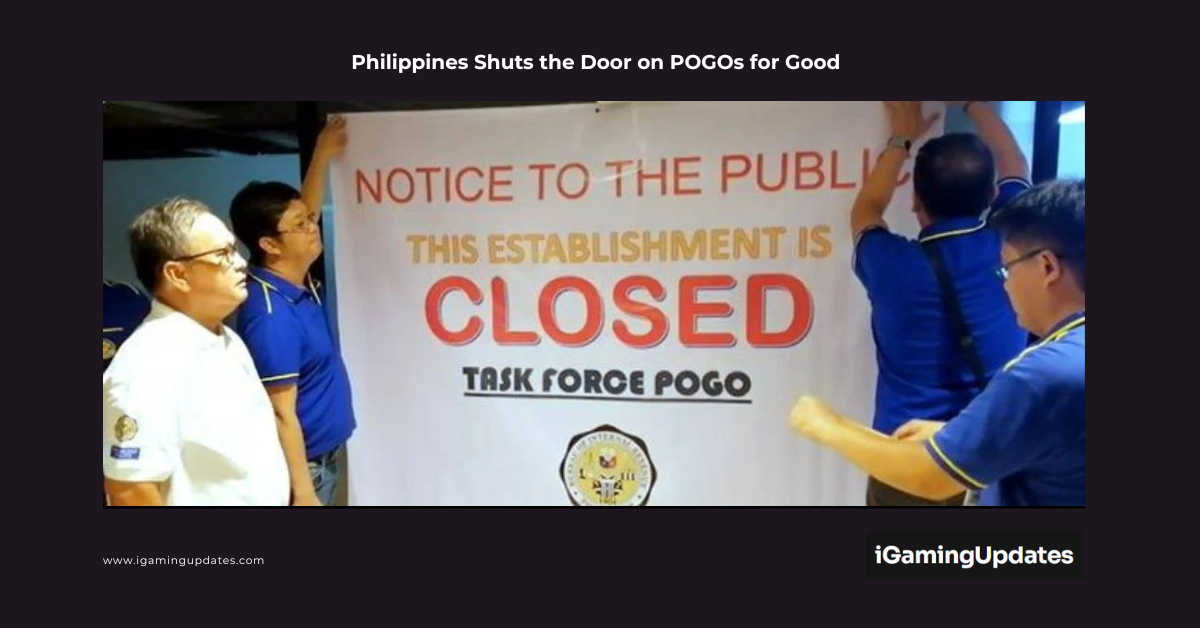
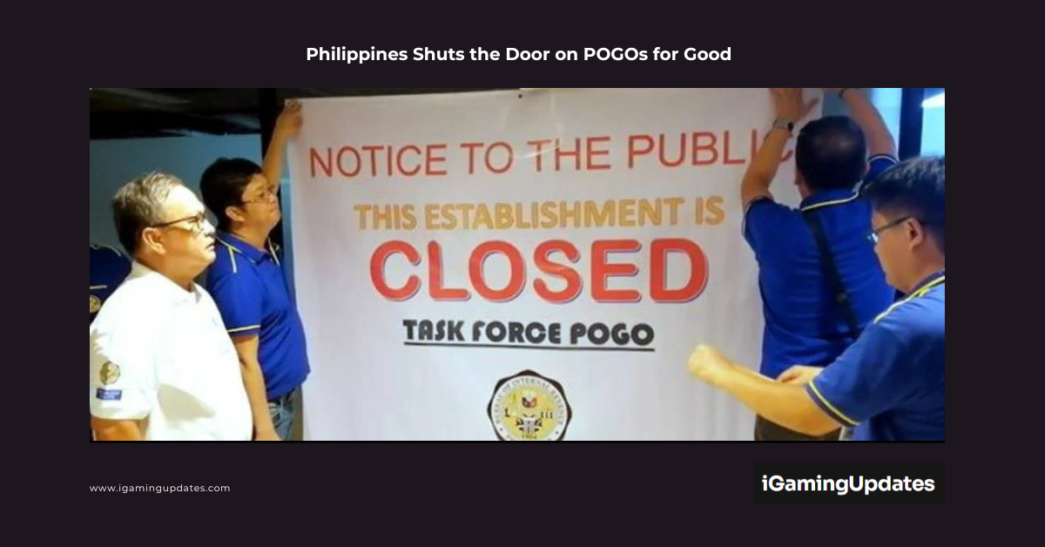
The Philippines has reached a milestone it has been working toward for nearly two years. The Department of Justice has officially declared the country free of Philippine Offshore Gaming Operators (POGO), drawing a line under one of the most controversial chapters in the nation’s gaming history.
Justice Secretary Fredderick Vida confirmed the news to reporters, stating that the government’s intensified crackdown had successfully closed down 80 percent of operational POGO hubs within just one month of the official deadline. His message was direct and unambiguous there are no official POGOs left, and there are no illegal ones either. That, he said, is the clear policy of the government.
The road to this moment has been long. POGOs first arrived in the Philippines in 2003, when online gaming operators from China pushed out after Beijing imposed a blanket ban on gambling began relocating their businesses to the country. What started as a small movement grew into a major industry. By 2019, PAGCOR had issued close to 300 POGO licences, and the sector was contributing significantly to the national economy through tax payments, office rentals, and employment for tens of thousands of Filipinos and foreign workers.
But the cracks were always there, and over time they became impossible to ignore. What had been positioned as a legitimate revenue-generating industry gradually became a breeding ground for organised crime. Human trafficking, kidnapping, money laundering and large-scale fraud were among the criminal activities linked to POGO operations. The situation reached a breaking point with high-profile raids and shocking revelations about the extent of criminal networks operating behind the veneer of licensed gaming companies.
President Ferdinand Marcos Jr. announced the ban on all POGO operations during his State of the Nation Address in July 2024, citing the sector’s threat to national security and public order. An executive order followed in November of that year, mandating the immediate cessation of all operations. Then in October 2025, the President signed Republic Act No. 12312, the Anti-POGO Act of 2025, making the ban a permanent feature of Philippine law. The legislation repealed the previous tax framework that had legalised POGOs and permanently revoked all licences previously issued by PAGCOR and other agencies.
The law went further than simply shutting operations down. It criminalised the full chain of POGO activity from operating a hub to providing services, content or equipment, and even leasing property for POGO use. All work permits and visas issued to POGO personnel were subject to permanent cancellation. The message was clear: there would be no grey areas and no second chances.
Despite the declaration of a POGO-free Philippines, authorities have made it equally clear that vigilance remains a priority. The DOJ, the Philippine National Police, the Bureau of Immigration and the National Bureau of Investigation continue to monitor for any signs of illegal offshore gaming activity. Law enforcement has already uncovered attempts by syndicates to disguise POGO-like operations as IT or business process outsourcing companies, a tactic that authorities say they are well aware of and actively tracking.
For the iGaming industry watching from the outside, the Philippines’ POGO story serves as a sharp reminder of what happens when regulation fails to keep pace with a fast-growing sector. The country is now focused on building a cleaner, more credible gaming environment through PAGCOR’s updated frameworks and the POGO era, for all its economic promise and eventual chaos, is firmly behind it.